


ABOUT US
WHO WE ARE?
The Ancres project is funded by the Intra-Africa Mobility Scheme of the European Education and Culture Executive Agency (EACEA).
The ancres aims to create a mobility scheme for students, academic staff and support staff amongst partners from Cameroon, Gabon, Nigeria, Namibia and Rwanda within the thematic field: “Science, Technology, Engineering and Mathematics (STEM) and Information and Communications Technology (ICT)” with particular emphasis on Climate Change and Energy (CCE)
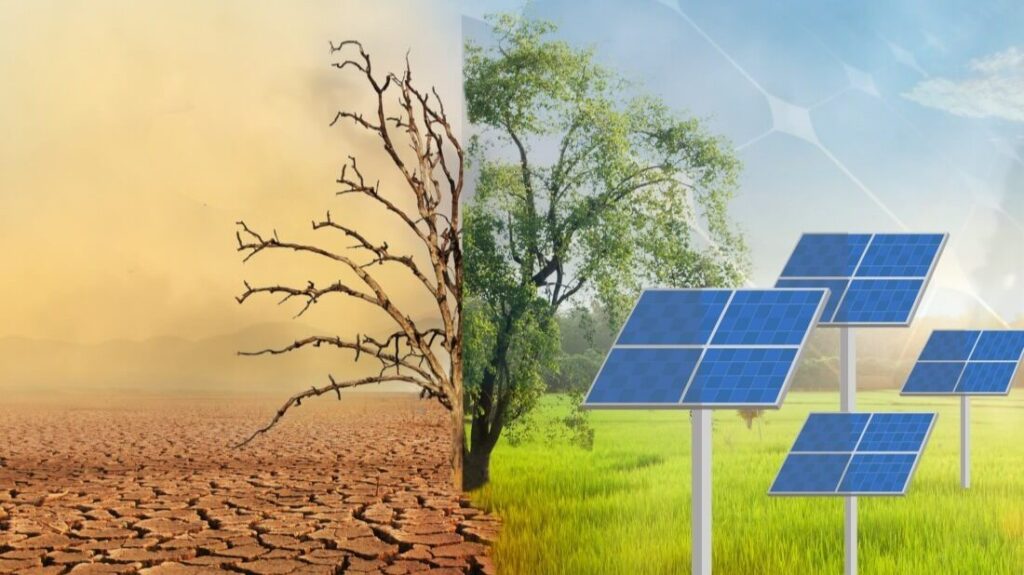
ANCRES(African Network For Studies on Climate Resilience and Energy Sustainability) is a made up of 05 consortium African universities cutting across all the regions specified in the call (NDICI-2024-MOBAF); UB (Cameroon, Central Africa), UNAM (Namibia, Southern Africa), UNIPORT (Nigeria, West Africa), USTM (Gabon, Central Africa), UR (Rwanda, East Africa), and an EU technical partner UNIBA (Italy, Europe). The main objective of ANCRES is to improve STEM in selected African nations, by modernizing their HEIs, reskilling/upskilling staff, promote employability of students, and foster sustainable growth and job creation in Africa. The strengthening of climate change and production of clean affordable energy programs in the HEIs will directly address some Sustainable Development Goals (SDGs) particularly relevant to Africa. These include; climate actions, promotion of infrastructure/industrialization, promotion of decent work/economic growth, support gender equality, youth and women participation/empowerment, increase participation of persons with special needs/vulnerable status, raise awareness/disseminate practices that support climate friendly businesses and sustainable economic practices and reinforce the role of universities as knowledge producer of climate change and renewable energy solutions. To achieve the above objectives, ANCRES will set up a committee made of the Consortium Board (CB): Dissemination and Outreach Committee (DOC): Selection Committee (SC): Disadvantaged Groups and Gender Committee (DGGC): Quality Assurance Committee (QAC) to oversee the management and implementation of the project, selection and supervision of scholarship holders, sustainability, dissemination and exploitation of results. The above committees will be charged with specific task to ensure the success of the project especially in the involvement of women, youths, refugees and special needs persons in solving climatic, environmental and energy problems in Africa.